

D3 Injection Gallery
$$MultiPurposeText$$
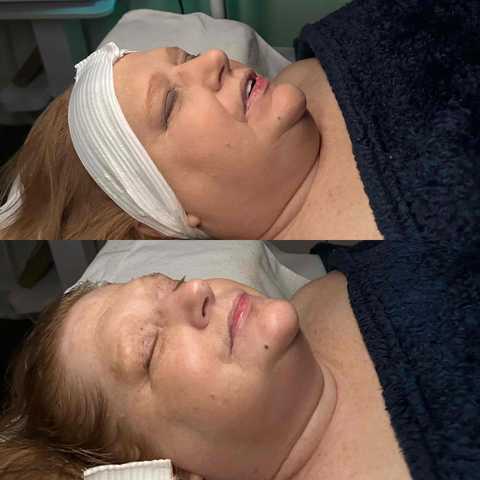
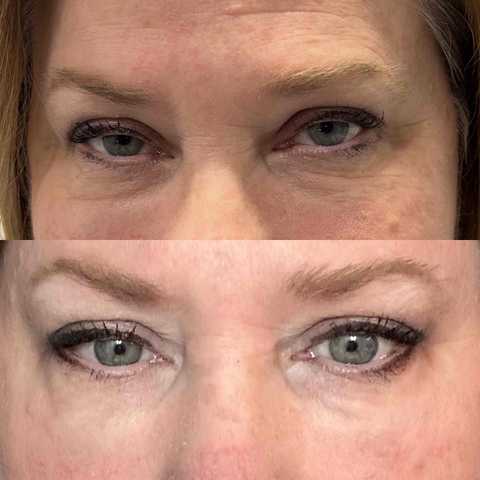
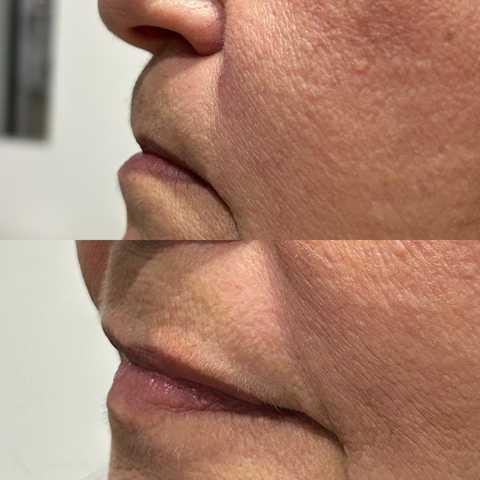
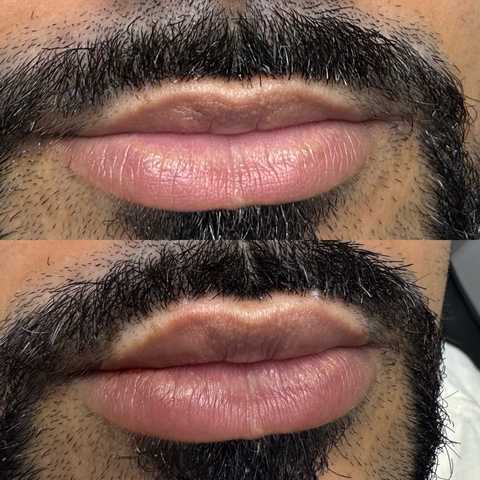
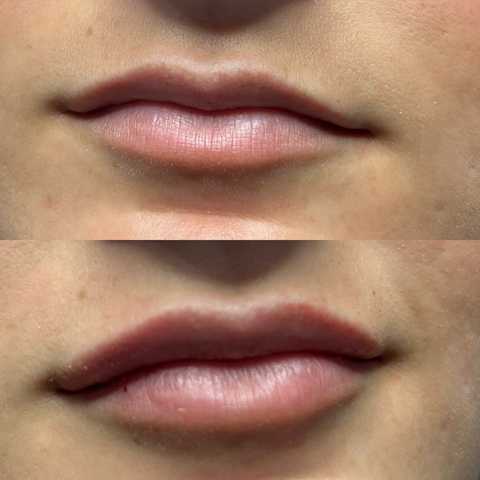
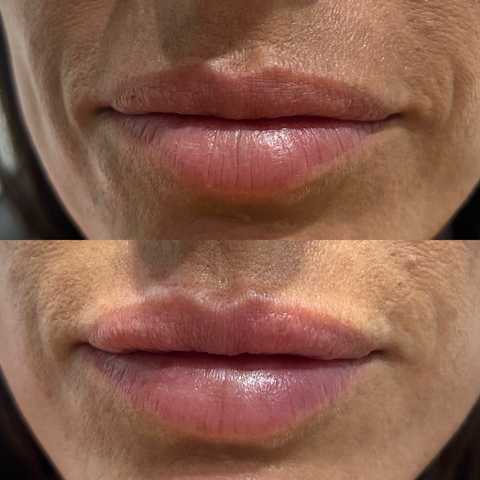
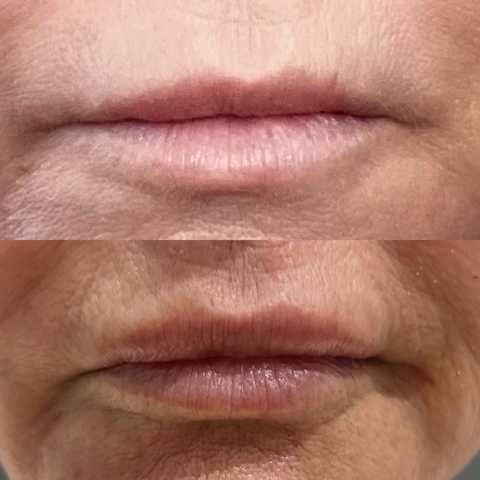
See examples of our D3 Injection work and results.














What Our Clients Say
$$MultiPurposeText$$
Read testimonials from our satisfied customers

First time visiting and it want be last time Monique has a pleasant personality she’s info...more

...more
Frequently Asked Questions
Get answers to common questions about D3 Injection.
Many clients report improved energy and mood within one to four weeks, though timing depends on baseline deficiency and dose. Some effects can appear sooner; follow-up testing and consultation help track progress and tailor future treatment.
Generally safe when supervised by our medical staff. We review medical history and medications to avoid interactions or contraindications. For certain conditions, lab evaluation and physician approval may be required before administering D3 injections.
Maintenance frequency varies—some clients receive monthly or quarterly shots depending on initial levels and lifestyle. We recommend testing vitamin D status and creating a personalized schedule with our clinicians to maintain optimal levels safely.
Side effects are rare and usually mild, like brief injection-site soreness or redness. Serious reactions are uncommon. We screen for contraindications and monitor clients during and after the injection to ensure safety and comfort.
We evaluate risks and benefits case-by-case. Many providers recommend maintaining adequate vitamin D during pregnancy and breastfeeding, but we require consultation with your obstetrician or pediatrician before administering high-dose D3 injections.
A baseline 25(OH)D blood test is recommended to determine deficiency and appropriate dosing. Testing helps avoid over-supplementation and allows our clinicians to tailor injection strength and follow-up intervals for safe, effective care.