

PRP Hair Treatment- Single Treatment Gallery
$$MultiPurposeText$$
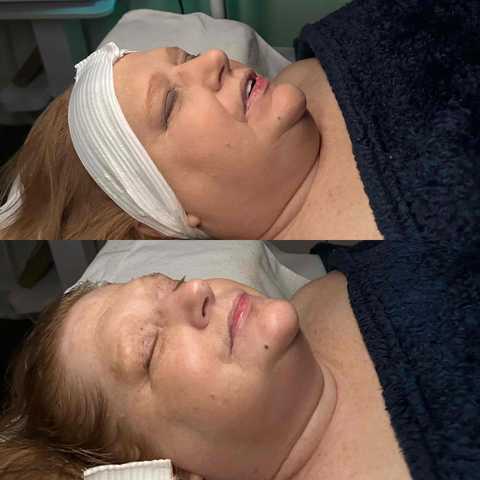
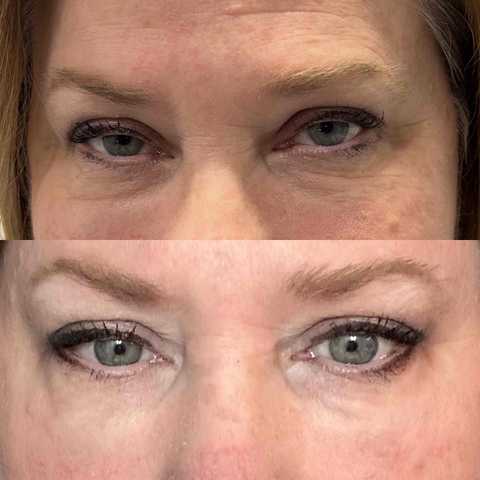
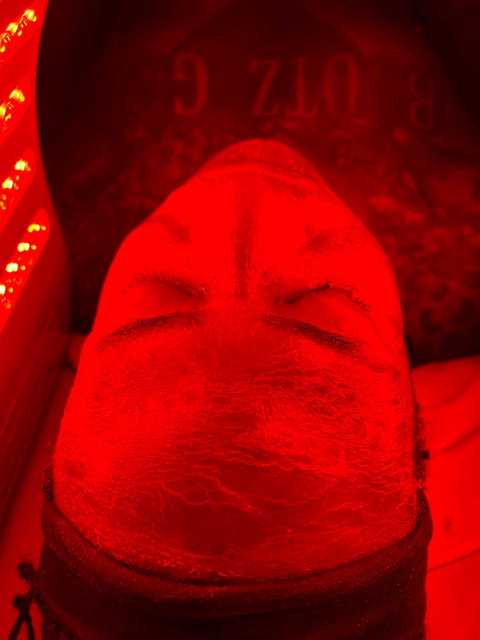
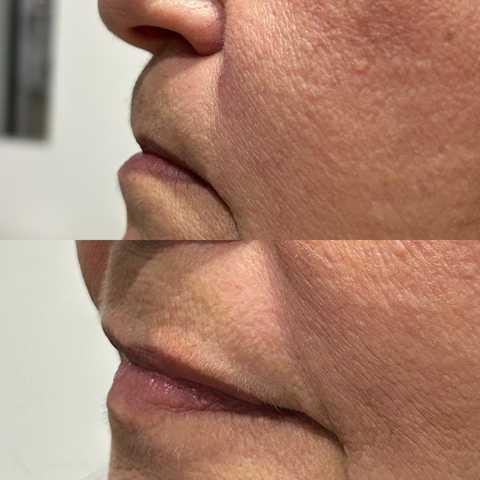
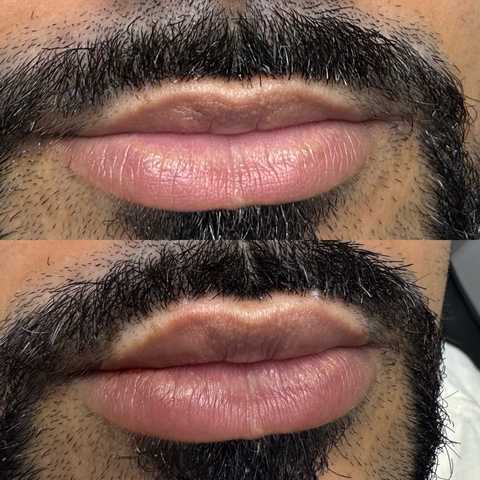
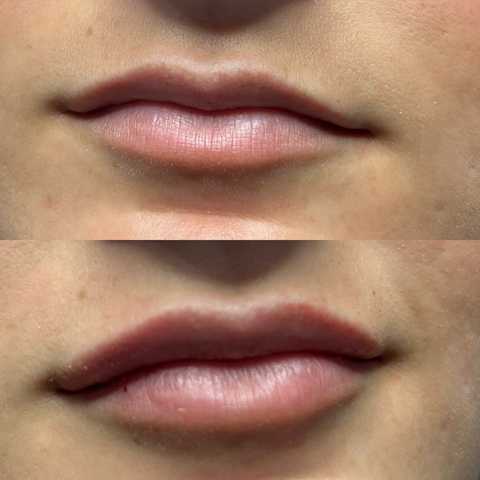
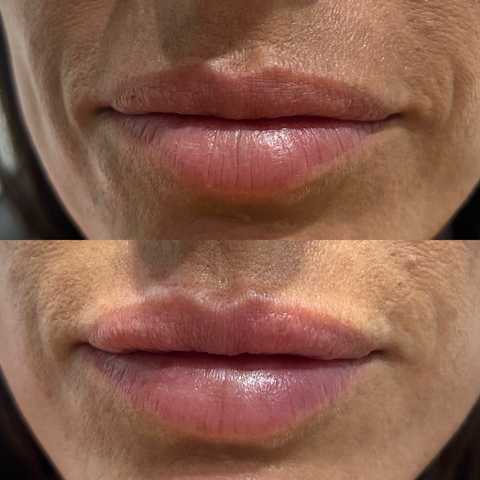
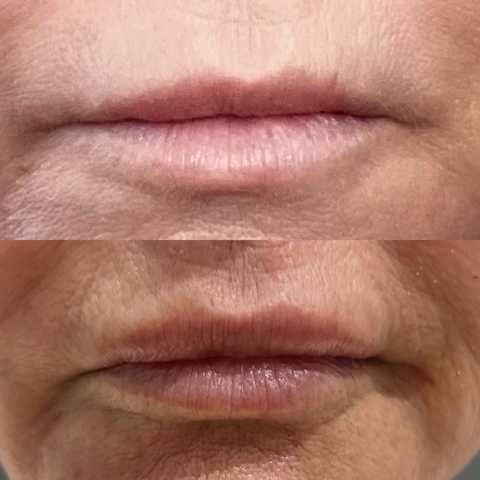
See examples of our PRP Hair Treatment- Single Treatment work and results.











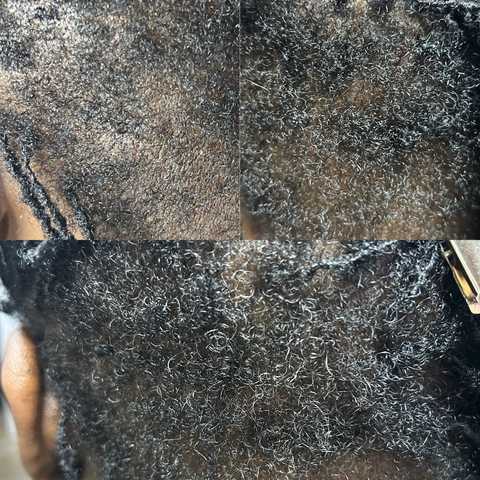
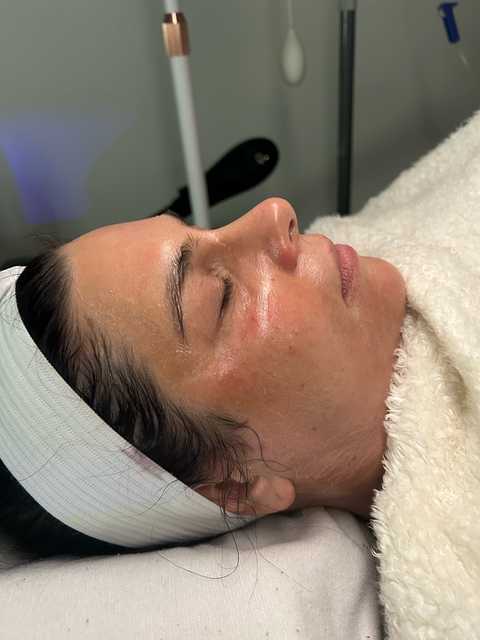
What Our Clients Say
$$MultiPurposeText$$
Read testimonials from our satisfied customers

My new esthetician! Monique is very knowledgeable, kind, and warm! Good vibes and most imp...more

I had a wonderful experience; the environment was very relaxing, and the IV treatment has ...more

Hydraspa clinic station, gave my dad and I an amazing experience. You can Monique really k...more

Very relaxing experience. Monique was super friendly and explained the service to me in a ...more

I will definitely be back. Very nice and professional. Service was relaxing. She was also ...more

Highly recommend! Great experience!

Frequently Asked Questions
Get answers to common questions about PRP Hair Treatment- Single Treatment.
Initial changes often appear within eight to twelve weeks, with more noticeable thickening and texture improvement after three to six months. Individual responses vary; best results generally require a series of treatments spaced several weeks apart.
Most clients tolerate the procedure well; we apply topical numbing and use gentle techniques to minimize discomfort. You may feel pressure or mild pinprick sensations, but severe pain is uncommon and usually brief.
A single session jumpstarts the process, but most providers recommend three to six sessions spaced four to eight weeks apart for cumulative improvement. After the initial series, maintenance treatments every three to six months help sustain results.
Ideal candidates have early-stage hair thinning, good overall health, and realistic expectations. PRP can benefit both men and women with androgenetic alopecia or diffuse thinning, though a consultation determines personalized suitability.
Common side effects are mild and temporary: scalp tenderness, redness, swelling, or small bruises at injection sites. Serious complications are rare. We provide aftercare guidance and ask clients to report any prolonged or unusual symptoms.
Yes. PRP is often combined with microneedling, topical growth agents, or low-level laser therapy to enhance outcomes. Your provider will recommend an evidence-based schedule and precautions so combined treatments complement each other safely.