

PRP Hair Restoration Consultation Gallery
$$MultiPurposeText$$
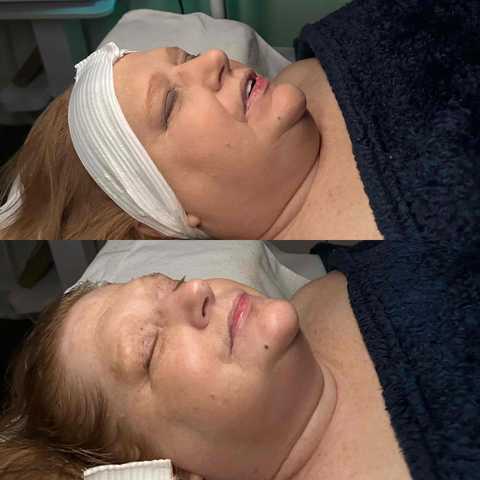
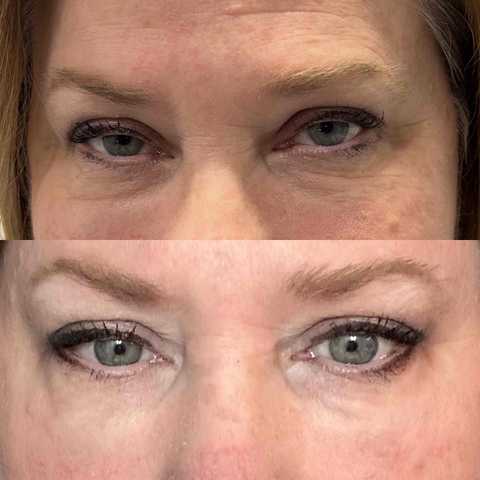
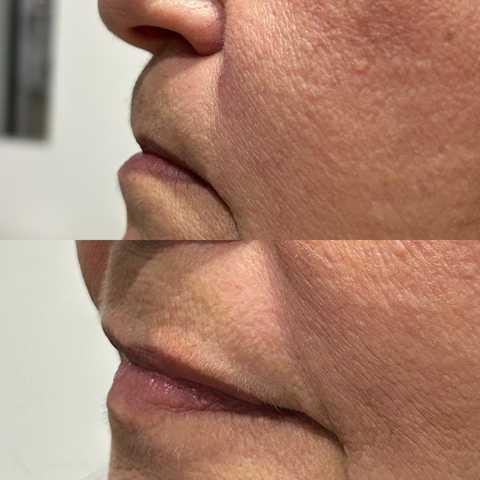
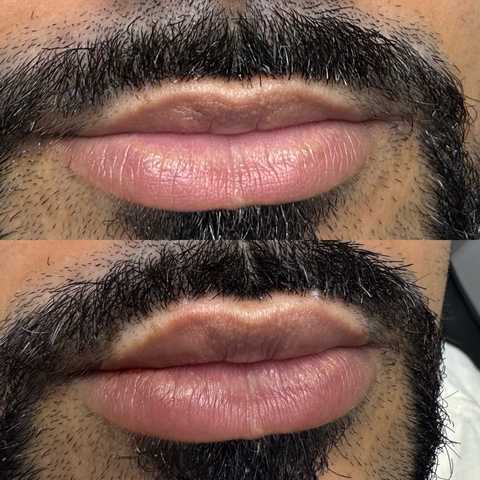
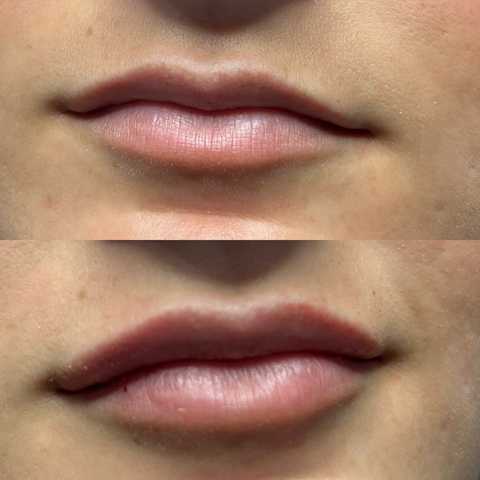
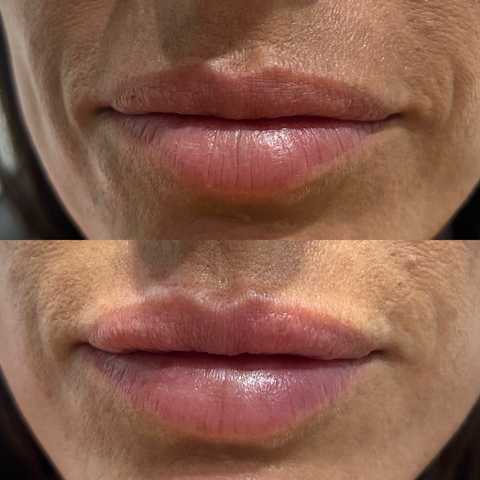
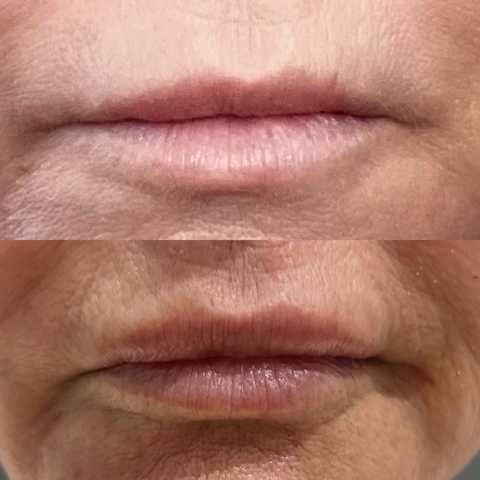
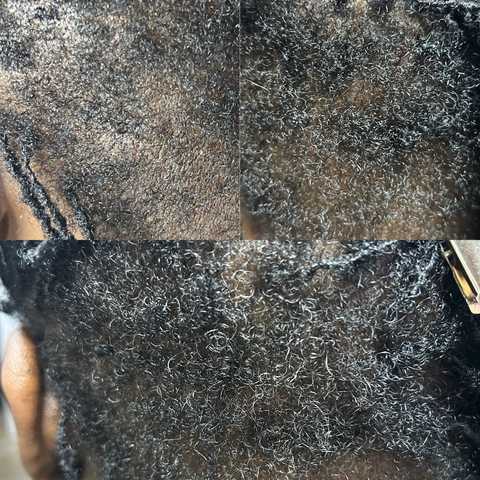
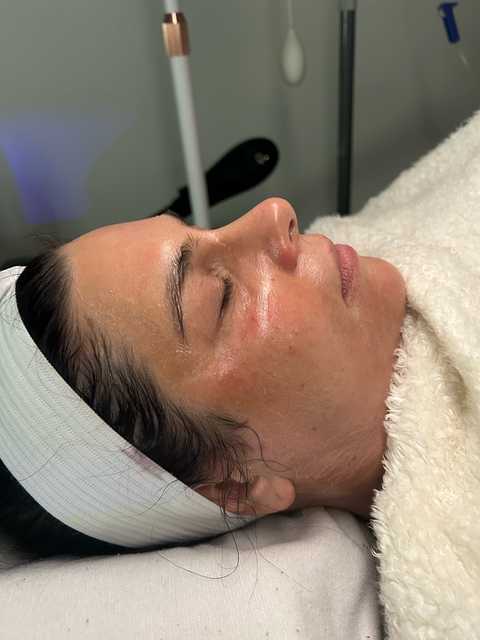
See examples of our PRP Hair Restoration Consultation work and results.










What Our Clients Say
$$MultiPurposeText$$
Read testimonials from our satisfied customers

My new esthetician! Monique is very knowledgeable, kind, and warm! Good vibes and most imp...more

I had a wonderful experience; the environment was very relaxing, and the IV treatment has ...more

Hydraspa clinic station, gave my dad and I an amazing experience. You can Monique really k...more

Very relaxing experience. Monique was super friendly and explained the service to me in a ...more

I will definitely be back. Very nice and professional. Service was relaxing. She was also ...more

Highly recommend! Great experience!

Frequently Asked Questions
Get answers to common questions about PRP Hair Restoration Consultation.
Your provider reviews medical history, examines scalp and hair density, discusses goals, explains PRP process and alternatives, and creates a personalized treatment plan including timeline, expected outcomes, and pricing. Bring prior treatments or medications for thorough evaluation.
Avoid blood-thinning medications and alcohol as advised before consultation. Bring a list of supplements, medications, and previous hair treatments. Your provider will review risks, expectations, and potential lab tests needed to determine PRP suitability.
Ideal candidates have thinning hair, early hair loss, or poor hair density and overall good health. A consultation will assess hormonal, genetic, and medical factors. Some conditions or medications may limit eligibility; alternatives will be discussed when appropriate.
Consultations typically last 30 to 45 minutes. This allows time for medical history review, scalp examination, Q&A, and development of a personalized PRP plan. Extended sessions may be scheduled if additional evaluation or testing is needed.
Yes. During the consultation your provider explains realistic timelines, typical improvement rates, and recommended session frequency. They’ll outline maintenance schedules, potential adjunct therapies, and how progress will be measured with photos and follow-up assessments.
Consultation fees, if any, and initial costs are reviewed upfront. Your provider may recommend baseline blood tests to ensure safety and optimize PRP preparation. Insurance typically doesn’t cover cosmetic PRP; financing or package options may be offered.