

Scar Resurfacing treatment Gallery
$$MultiPurposeText$$
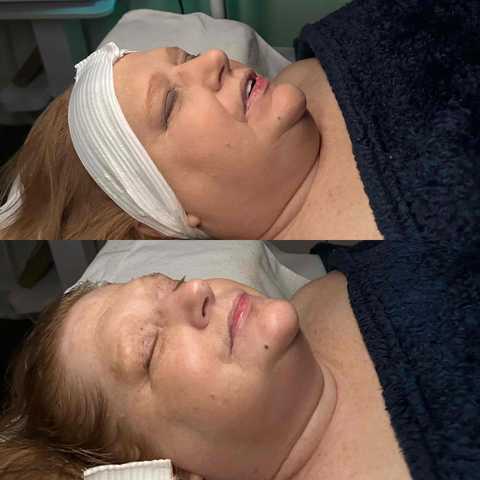
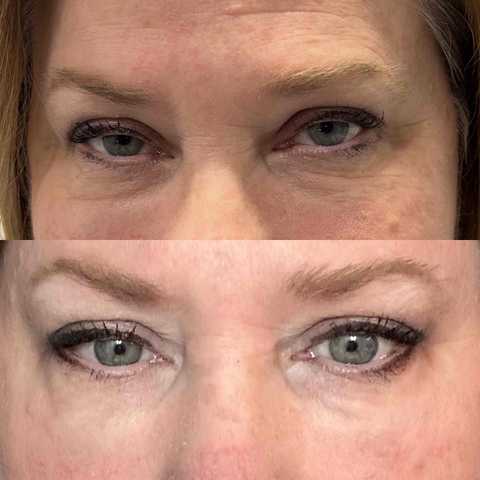
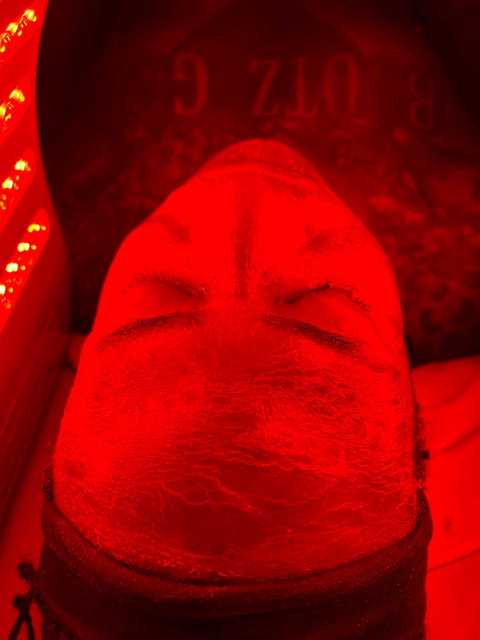
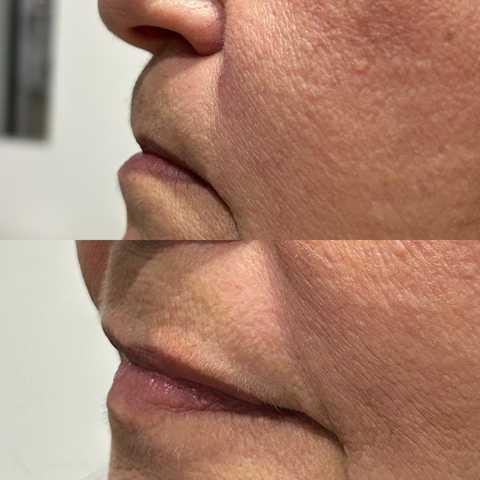
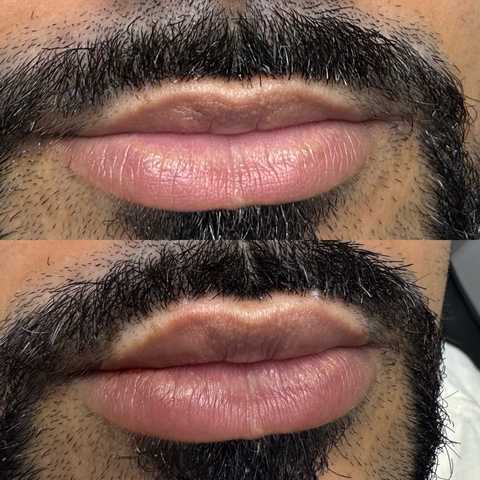
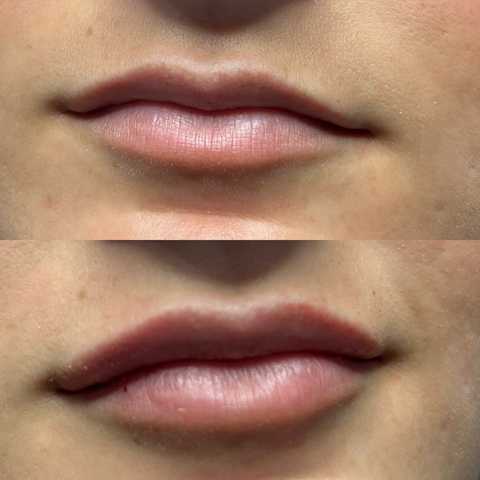
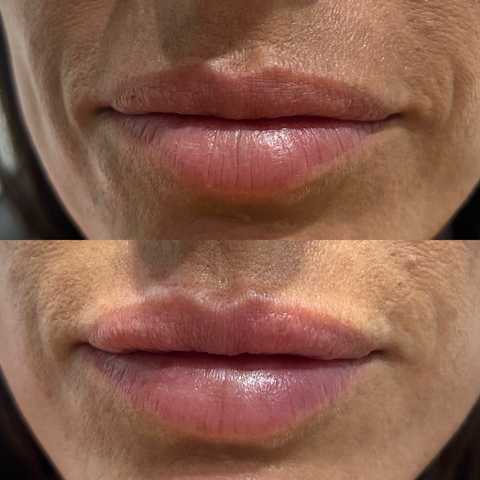
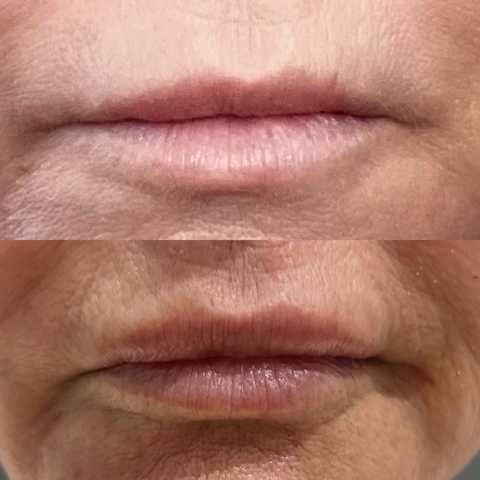
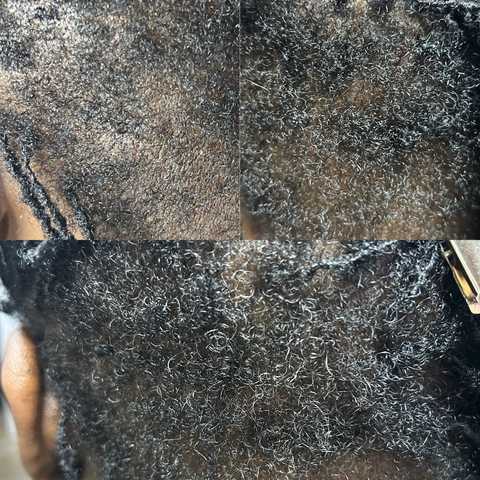
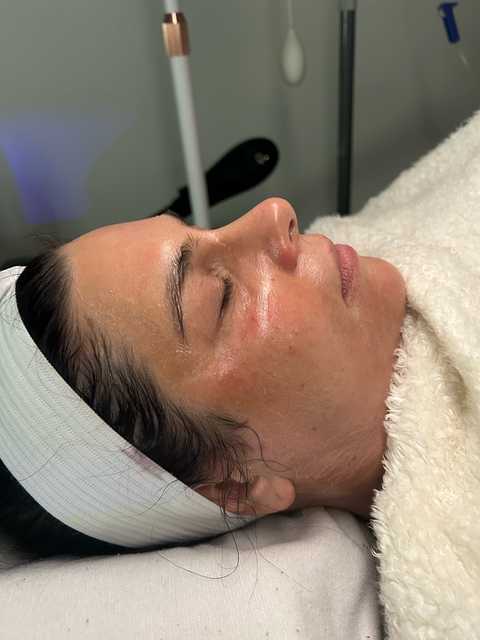
See examples of our Scar Resurfacing treatment work and results.











What Our Clients Say
$$MultiPurposeText$$
Read testimonials from our satisfied customers

My new esthetician! Monique is very knowledgeable, kind, and warm! Good vibes and most imp...more

I had a wonderful experience; the environment was very relaxing, and the IV treatment has ...more

Hydraspa clinic station, gave my dad and I an amazing experience. You can Monique really k...more

Very relaxing experience. Monique was super friendly and explained the service to me in a ...more

I will definitely be back. Very nice and professional. Service was relaxing. She was also ...more

Highly recommend! Great experience!

Frequently Asked Questions
Get answers to common questions about Scar Resurfacing treatment.
Most clients require three to six sessions spaced four to six weeks apart, depending on scar size, depth and individual healing. A customized plan follows consultation to achieve steady, safe improvement with monitored progress.
We use topical numbing and gentle techniques to keep discomfort minimal. Many clients report only mild tingling or pressure; therapists monitor comfort and adjust settings to ensure a safe, tolerable experience.
Downtime varies with intensity: mild treatments cause redness and light peeling for one to three days, while deeper resurfacing can need up to a week. We provide aftercare guidance to speed recovery and reduce visible effects.
It can improve both, but results depend on scar age, type and depth. Newer scars often respond faster; older scars may need additional sessions or complementary therapies. Consultation sets realistic expectations and a tailored plan.
Most skin types can benefit, but active infections, open wounds, keloid-prone skin or recent isotretinoin use may preclude treatment. We perform a thorough assessment and recommend alternatives or pre-treatment preparation if needed.
Follow our aftercare: gentle cleansing, hydrating ointments, daily broad-spectrum sunscreen and avoid harsh products or sun exposure as advised. Keeping skin moisturized and attending follow-ups speeds healing and improves results.