

New Pain Consult Gallery
$$MultiPurposeText$$
See examples of our New Pain Consult work and results.
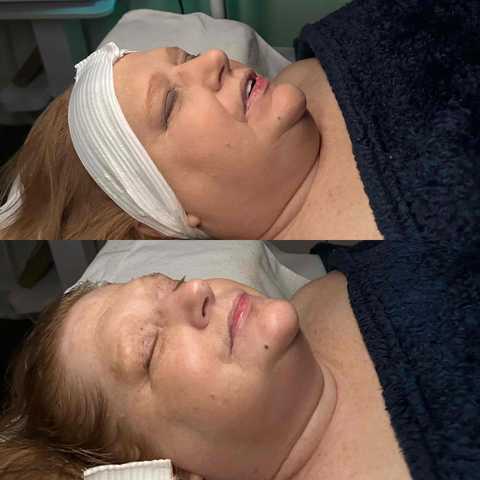

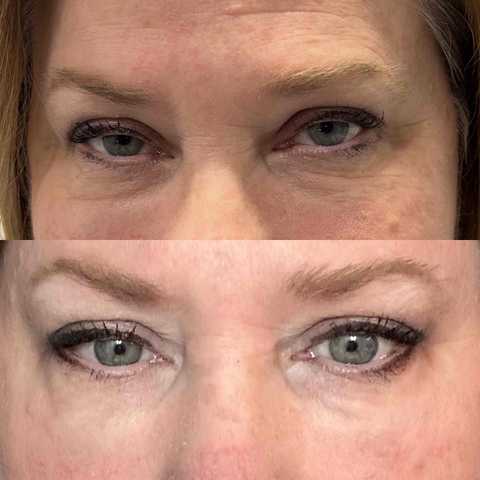




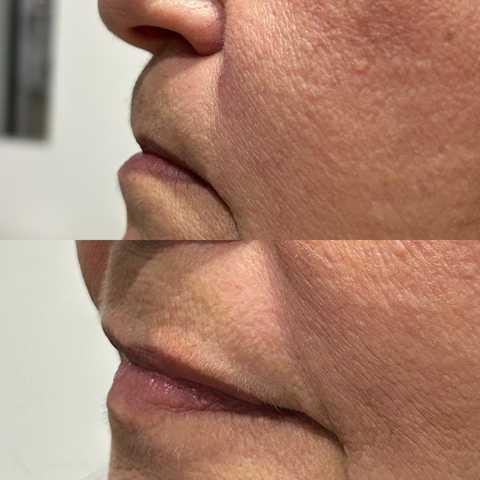
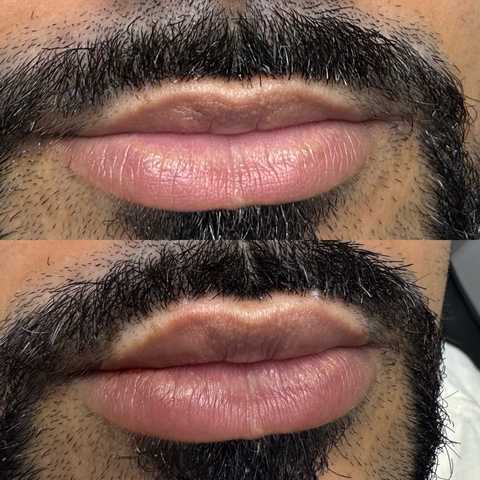



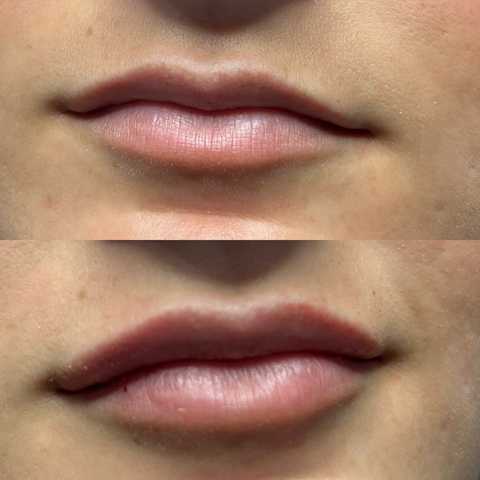
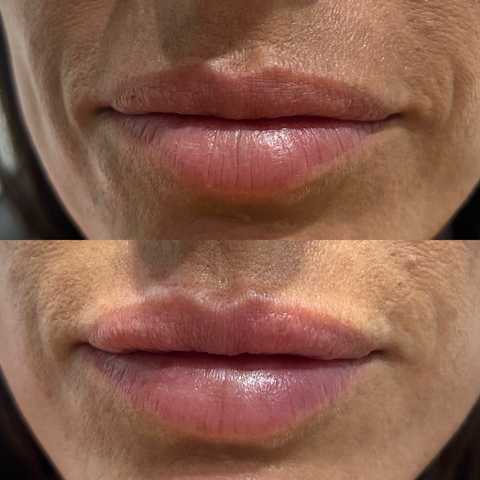



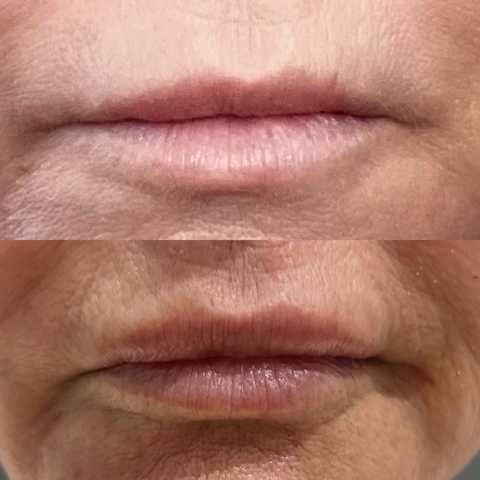


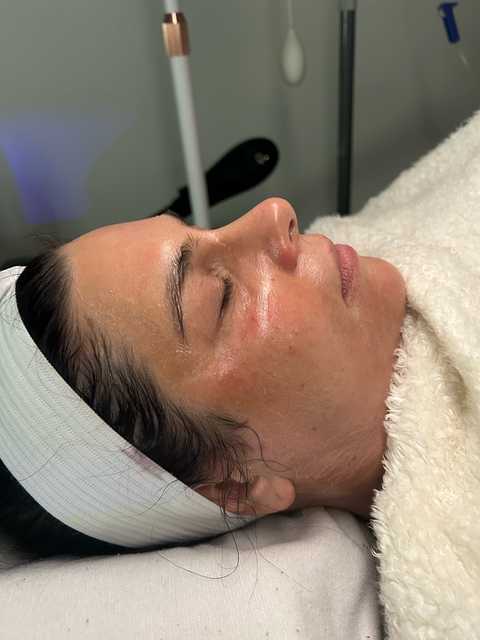
What Our Clients Say
$$MultiPurposeText$$
Read testimonials from our satisfied customers

My new esthetician! Monique is very knowledgeable, kind, and warm! Good vibes and most imp...more

I had a wonderful experience; the environment was very relaxing, and the IV treatment has ...more

Hydraspa clinic station, gave my dad and I an amazing experience. You can Monique really k...more

Very relaxing experience. Monique was super friendly and explained the service to me in a ...more

I will definitely be back. Very nice and professional. Service was relaxing. She was also ...more

Highly recommend! Great experience!

Frequently Asked Questions
Get answers to common questions about New Pain Consult.
During your New Pain Consult, the provider reviews medical history, conducts a physical assessment, identifies pain patterns, and discusses your goals. Expect posture and movement checks, potential diagnostic recommendations, and an individualized plan including therapies, home strategies, and follow-up scheduling.
Initial consultations typically last 45–60 minutes, allowing time for a thorough history, physical examination, and collaborative planning. Longer sessions are available for complex cases, and follow-up visits are scheduled based on your individualized treatment plan.
Not always. Many assessments rely on clinical evaluation, but the provider may recommend imaging or lab tests if red flags or unclear causes appear. Recommendations balance usefulness, cost, and minimally invasive approaches to guide effective treatment decisions.
Some techniques, such as manual therapy, trigger-point release, or guided stretches, may offer immediate relief. The consultation prioritizes safe interventions, but longer-term strategies and referrals are included when sustained management or specialized care is necessary.
Bring any relevant records, imaging results, medication lists, and a summary of previous treatments. Having documentation accelerates assessment and helps the provider design a more accurate plan. If you lack records, the provider will still conduct a thorough evaluation.
You typically leave the consultation with an initial plan and clear next steps. A detailed written plan, resources, and referrals are often provided within 48–72 hours. Communication channels remain open for questions and adjustments as treatments progress.