

Lymphatic Drainage Massage – Full Body - 60 Minutes Gallery
$$MultiPurposeText$$
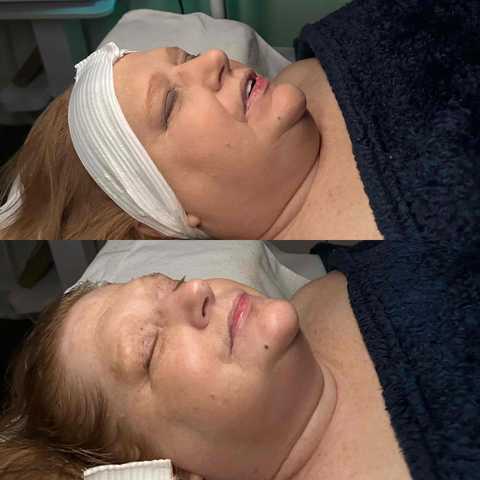
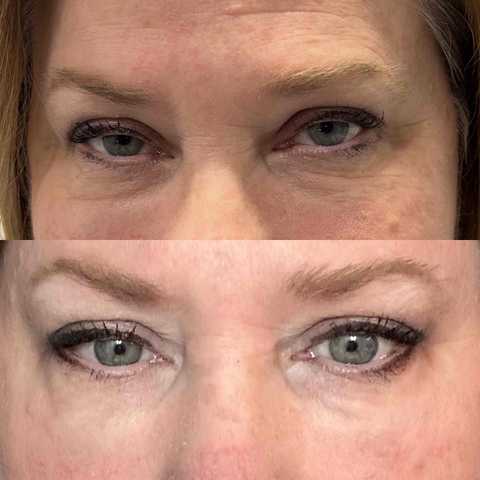
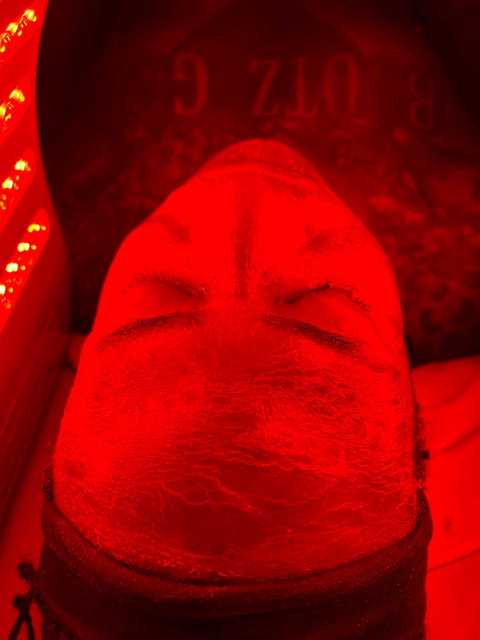
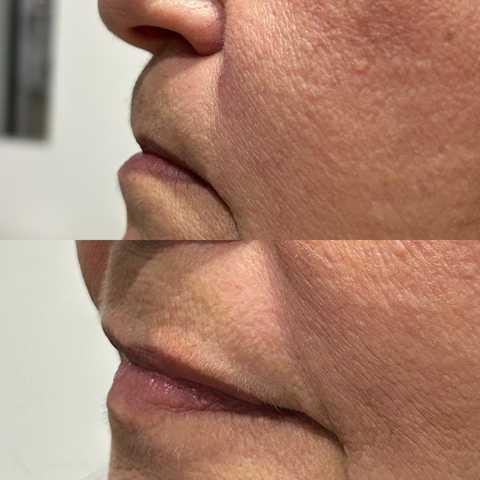
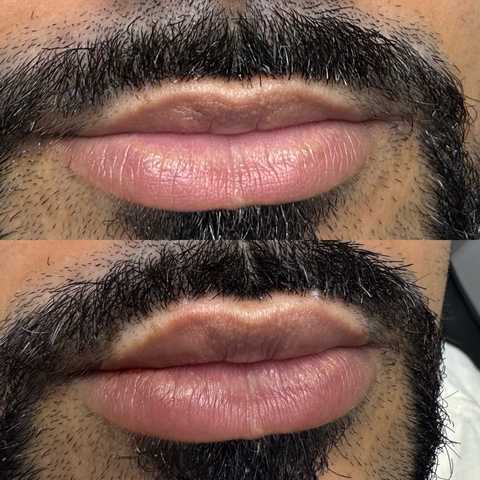
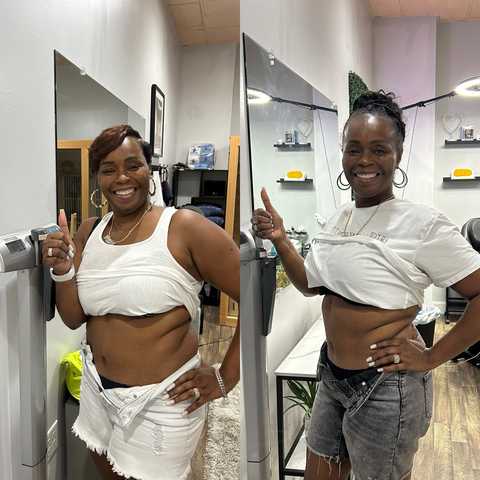
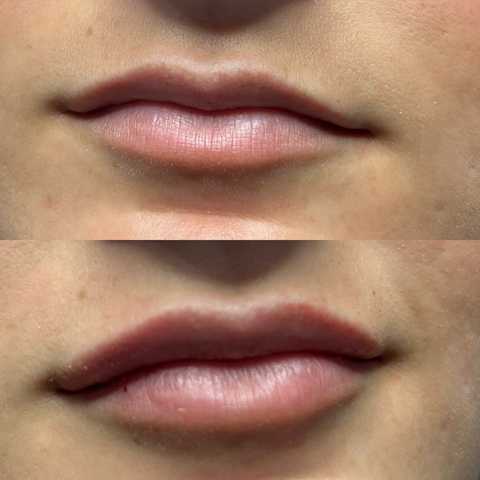
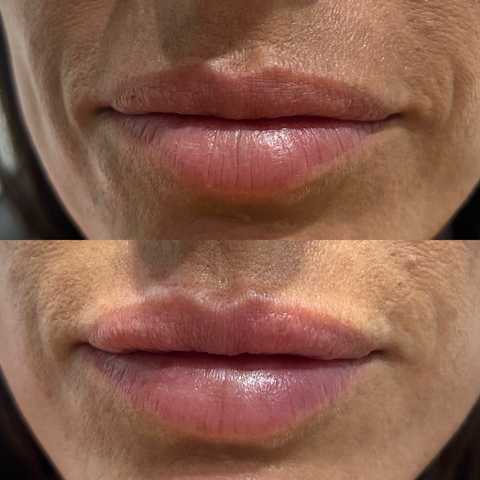
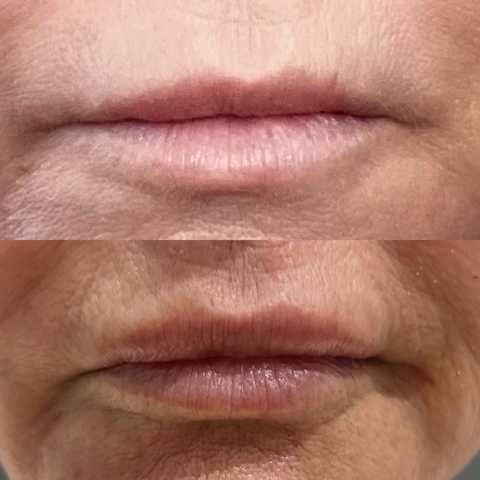
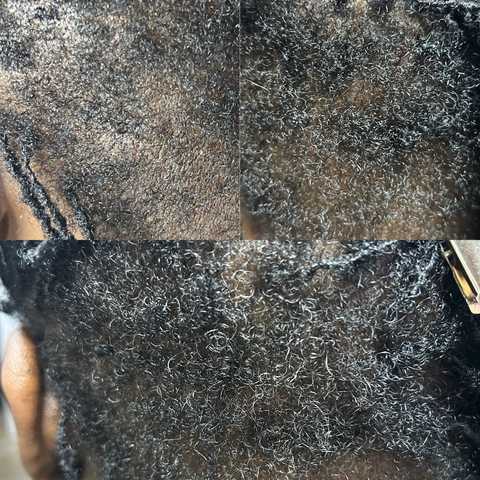
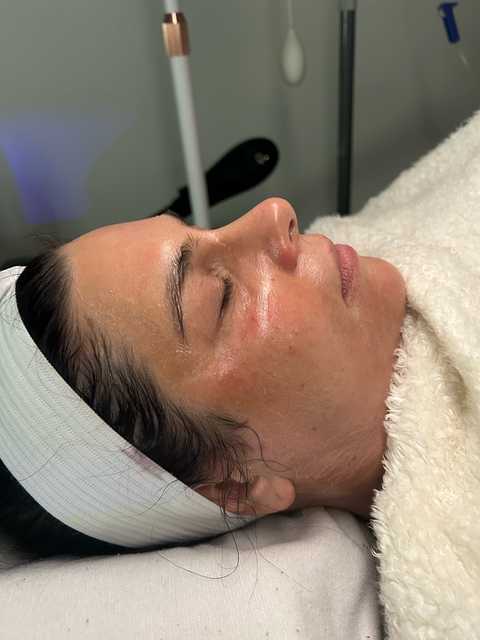
See examples of our Lymphatic Drainage Massage – Full Body - 60 Minutes work and results.










What Our Clients Say
$$MultiPurposeText$$
Read testimonials from our satisfied customers

My new esthetician! Monique is very knowledgeable, kind, and warm! Good vibes and most imp...more

I had a wonderful experience; the environment was very relaxing, and the IV treatment has ...more

Hydraspa clinic station, gave my dad and I an amazing experience. You can Monique really k...more

Very relaxing experience. Monique was super friendly and explained the service to me in a ...more

I will definitely be back. Very nice and professional. Service was relaxing. She was also ...more

Highly recommend! Great experience!

Frequently Asked Questions
Get answers to common questions about Lymphatic Drainage Massage – Full Body - 60 Minutes.
Therapists use gentle, rhythmic strokes directed toward major lymph nodes to encourage lymph flow. This non-invasive technique reduces fluid buildup, supports detoxification, and improves circulation, producing a lighter, refreshed sensation without deep pressure or muscle manipulation.
Post-surgery clients should obtain surgeon approval before treatment. When cleared, gentle lymphatic massage can reduce swelling and aid healing; however, it’s typically delayed during acute inflammation, infection, or immediately after major procedures to avoid complications.
Frequency depends on needs: for acute swelling or post-op care, weekly sessions are common. For maintenance and general wellness, every 2–4 weeks is recommended. Your therapist will suggest a personalized plan based on response and health goals.
Expect a brief intake, light draping, and gentle, rhythmic strokes focused on lymph node pathways. Pressure is soft and soothing. You may feel warmth, tingling, or increased urge to hydrate and urinate—normal signs the lymphatic system is moving.
Side effects are usually mild and temporary—fatigue, lightheadedness, increased urination, or slight soreness. Bruising is uncommon. Serious risks are rare but include worsening of infection or untreated medical conditions; disclose health history so therapists can adjust or avoid treatment.
Yes. By encouraging lymph flow, the massage helps clear excess fluid and relieve swelling and bloating. Results may be noticeable after one session but often improve with a short series, plus hydration, light movement, and therapist-recommended home care.